Essential Excavation Site Preparation Methods for Your Project
Essential Excavation Site Preparation Methods for Your Project
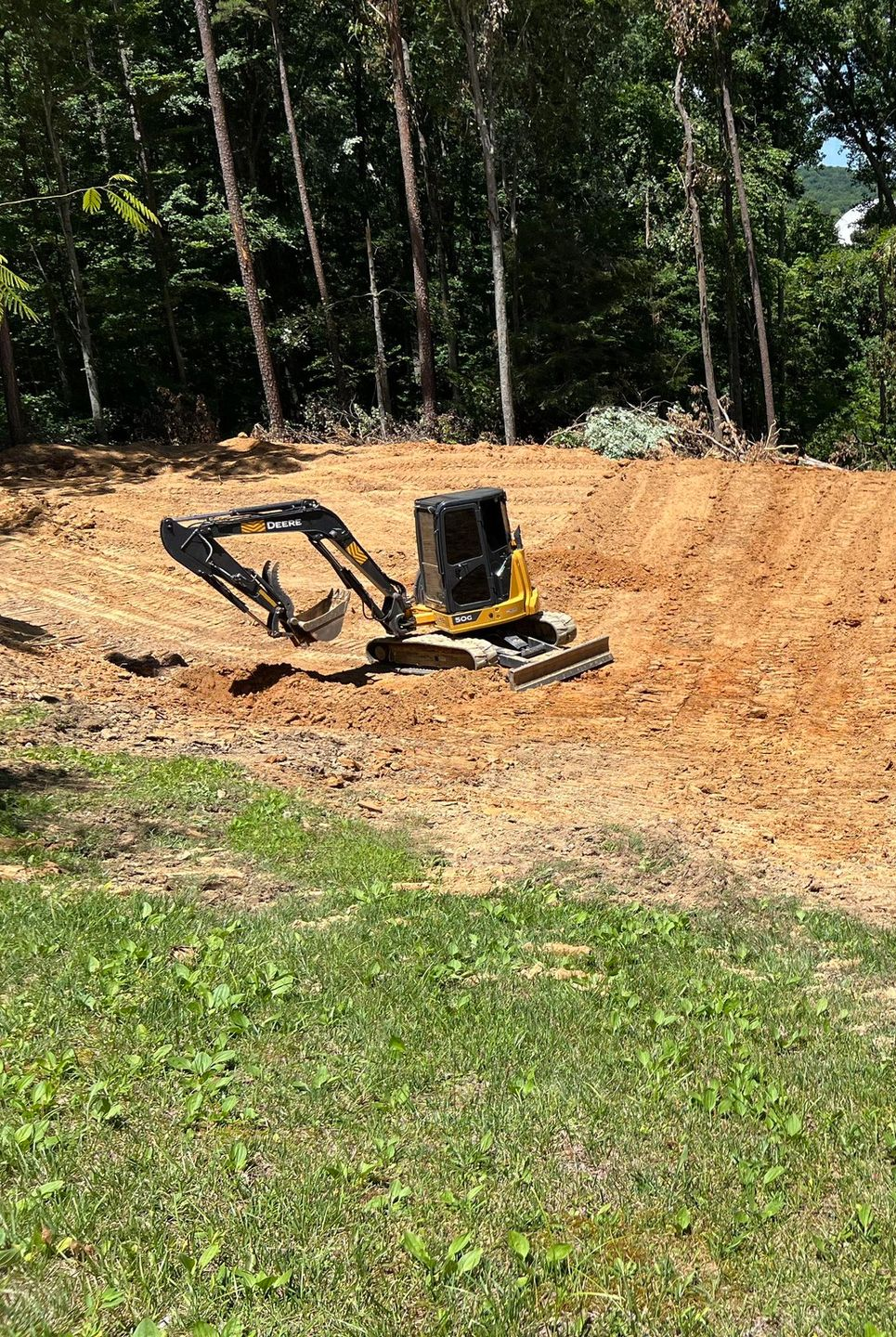
Effective excavation site preparation ensures a stable foundation and reduces project risk. This guide summarises evaluation, planning, excavation and grading, soil testing, and safety and regulatory considerations.
The following sections outline concise, practical methods to assess conditions, plan work, control soil and drainage, and confirm readiness for construction.
Site Evaluation
Site evaluation identifies terrain, drainage, and constraints that determine excavation approach. Key inputs are soil classification, slope, utilities, and nearby structures to guide safe methods and mitigation.
JBN Sales LLC provides site evaluations and preparation services to reduce unforeseen delays.
Planning & Preparation
Planning sets the operational framework: select equipment, define layout, schedule work, and allocate resources to control cost and maintain efficiency.
- Equipment Selection : Choose machinery matched to soil and project scale.
- Layout Considerations : Plan access, spoil storage, and traffic flow to limit disruption.
- Planning for Efficiency : Use clear timelines, staging, and contingency buffers.
Advance planning ensures crews have the right tools, access, and contingency plans to keep work efficient.
Excavation & Grading
Controlled digging and precise grading create the platform for construction. Proper technique reduces settlement and drainage problems.
- Techniques for Effective Excavation : Use methods suited to soil and depth to minimise disturbance.
- Importance of Grading : Grade to direct runoff away from foundations.
- Impact on Foundation Stability : Accurate excavation supports long-term structural performance.
Implement established excavation and grading practices to limit remediation and protect the foundation.
Research supports scientifically based deep excavation methods to achieve safe, timely, and cost-effective outcomes.
Selecting Deep Excavation Methods for Building Construction
The purpose of this paper is to propose a scientific and reasonable method of deep excavation construction in building construction to ensure safe, fast, and economic excavation.
Selection of deep excavation construction methods in building construction, HC Yang, 2020
Final Check & Cleanup
Complete inspections, correct defects, and clear debris to confirm site readiness and safe access for follow-on trades.
- Steps for Final Inspection : Verify grade, compaction, drainage paths, and safety measures.
- Importance of Site Readiness : A clean, accessible site reduces delays and hazards.
- Cleanup Best Practices : Remove waste and stabilise exposed soils.
A concise final check reduces schedule risk and improves safety for subsequent construction phases.
Proper Grading
Proper grading controls surface water and limits erosion. Slopes and contours should divert runoff from foundations and protect soil stability.
- Techniques for Proper Grading : Use engineered slopes and compaction to control flow.
- Impact on Erosion Prevention : Stable grades reduce soil loss and protect structures.
- Role in Drainage Management : Combine grading with drains to prevent pooling.
Prioritising grading early improves durability and reduces drainage-related repairs.
Soil Testing
Soil testing is essential: identify soil type, moisture, and compaction needs to inform excavation and foundation design.
- Importance of Soil Testing : Reveals composition and load-bearing behaviour.
- How It Influences Excavation Methods : Guides support, shoring, and dewatering choices.
- Types of Soil Tests : Compaction, moisture, and classification tests are common.
Interpreting results enables selection of appropriate techniques and reduces remediation cost.
Weather Considerations
Weather affects soil workability and schedule. Account for rain, freeze–thaw cycles, and extremes when planning work windows.
- Weather Factors to Consider : Rain, snow, and temperature swings change soil behavior.
- Impact on Scheduling : Build contingencies for weather delays.
- Mitigation Strategies : Use temporary drainage and scheduling flexibility.
Incorporate weather contingencies to reduce unexpected downtime.
Experienced Contractors
Local, experienced contractors bring on-the-ground knowledge of soils, equipment and regulations, improving efficiency and compliance.
- Benefits of Hiring Experienced Contractors : Local know-how shortens learning curves and reduces risk.
- How to Find Qualified Professionals : Check references, insurance, and prior work.
- Importance of Local Knowledge : Familiarity with site-specific issues leads to better outcomes.
Partnering with trusted contractors streamlines execution and reduces surprises.
Compliance with Regulations
Meet permits and local requirements to protect safety, avoid fines, and ensure uninterrupted progress.
- Understanding Local Regulations : Know permits, setbacks, and utility rules.
- Importance of Compliance : Compliance reduces liability and enhances safety.
- Consequences of Non-Compliance : Non-compliance risks fines, stops, and reputational damage.
Prioritising compliance keeps projects moving and protects stakeholders.
Safety Practices
Follow clear safety protocols, training, and maintenance to protect personnel and the environment.
- Key Safety Protocols : Signage, PPE, and equipment checks.
- Importance of Safety Training : Regular training ensures correct responses to hazards.
- How to Maintain Equipment Safely : Scheduled maintenance prevents failures and accidents.
Emphasising safety reduces incidents and supports steady operations.
What Are the Key Excavation Techniques for Effective Site Preparation?
Core techniques are controlled excavation, accurate grading, and proper compaction to create a predictable subgrade and reliable foundation.
How Does Soil Testing Influence Excavation Methods?
Test data on soil type and moisture determine shoring, dewatering and compaction strategies to manage risk.
Which Earthmoving Equipment Is Essential for Excavation?
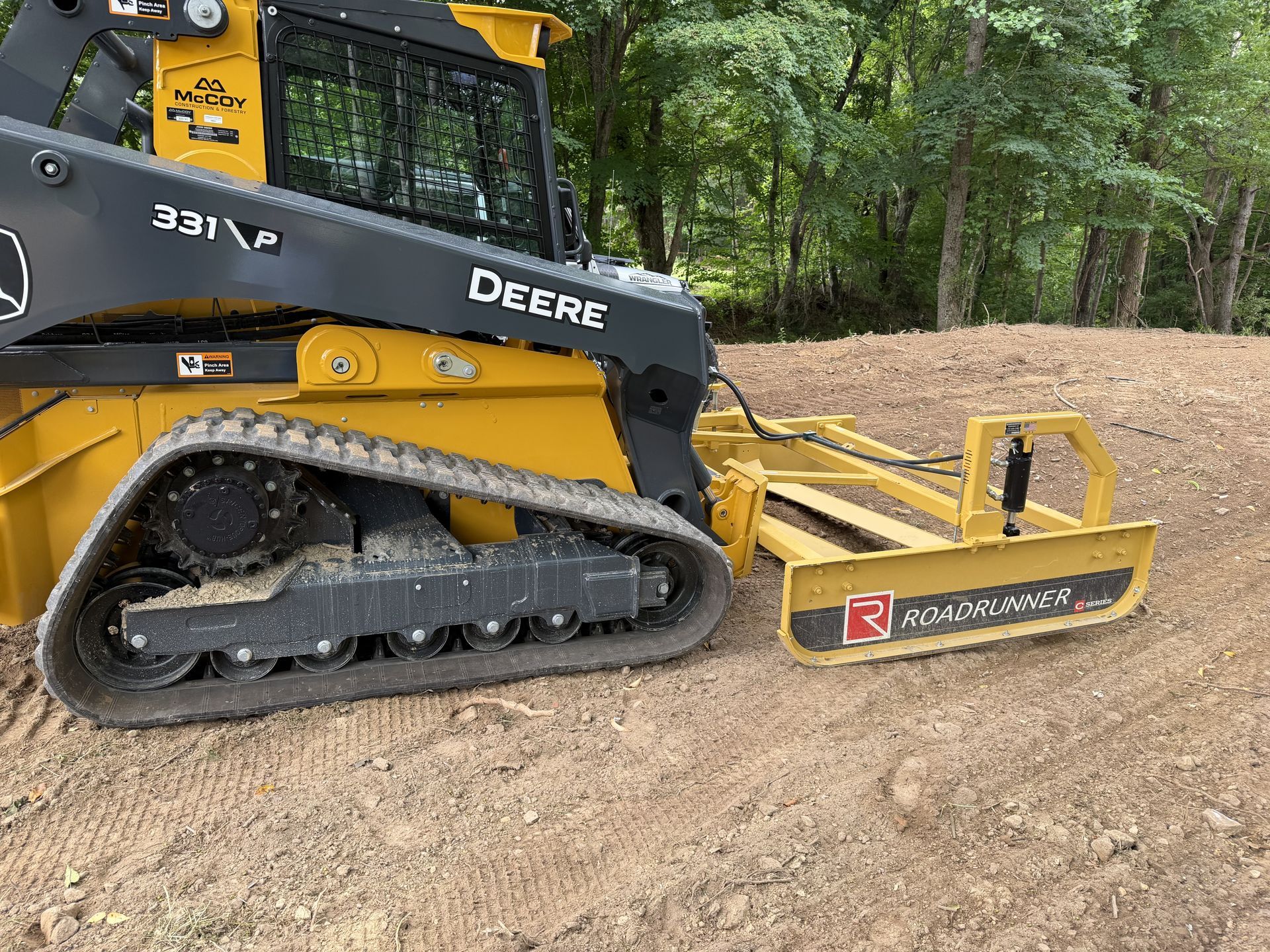
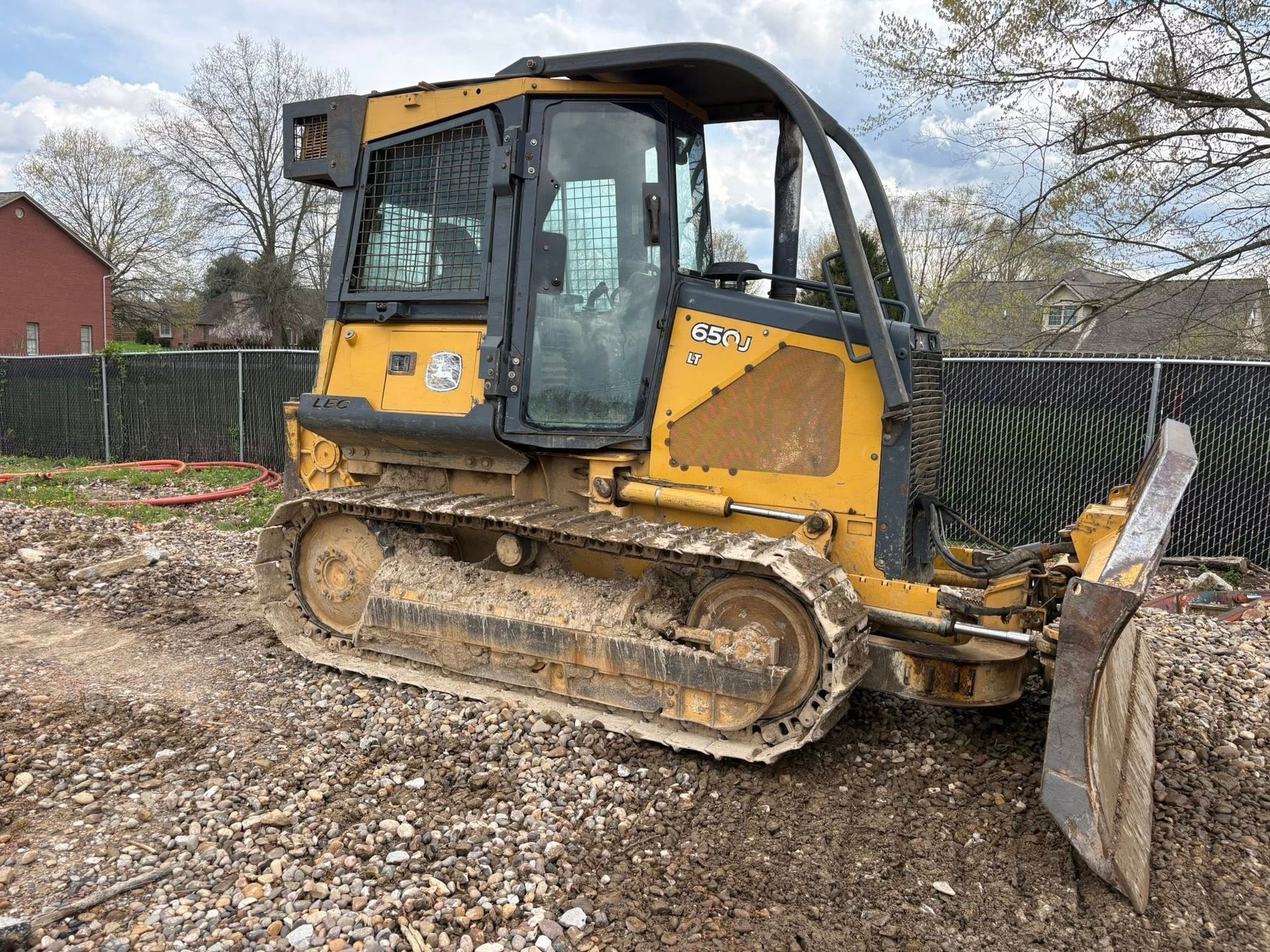
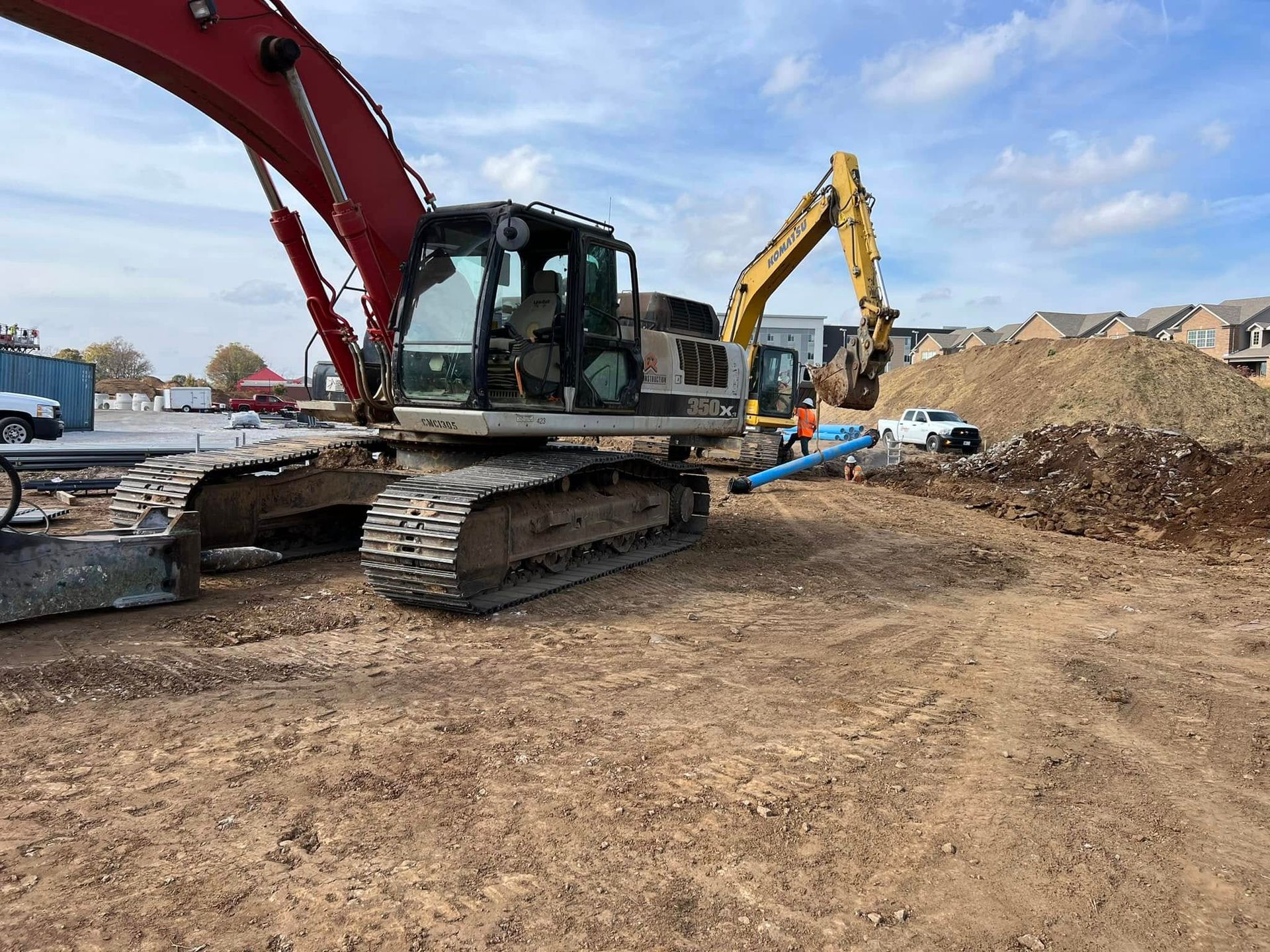
Typical equipment includes bulldozers, excavators and backhoes; select machines by task and site constraints.
How Do Site Grading Methods Ensure a Stable Construction Foundation?
Engineered grading and contours control runoff and prevent erosion, protecting foundation performance.
What Are the Best Practices for Land Grading and Slope Management?
Assess topography, provide engineered drainage, and use suitable machinery to stabilise slopes.
How Does Site Grading Impact Drainage and Erosion Control?
Proper grading directs water to drains, reduces soil displacement, and preserves structural elements.
What Is the Soil Compaction Process and Why Is It Critical?
Compaction increases soil density and load capacity, lowering settlement risk and improving foundation predictability.
Geotechnical research further confirms the importance of achieving appropriate soil compaction to obtain mechanical strength and long-term stability.
Optimizing Soil Compaction for Construction Stability
Geotechnical engineers regularly recommend the highest practical soil compaction based on data correlating soil density with increased mechanical strength. Agronomists, on the other hand, recommend minimal soil compaction because compacted soils are widely understood to impede the growth and development of crops, forests, and native plant communities.
Determining optimal degree of soil compaction for balancing mechanical stability and plant growth capacity, W Goldsmith, 2001
Which Soil Compaction Techniques Optimize Site Stability?
Use vibratory rollers, plate compactors or pneumatic rollers depending on soil type and target density.
How Do Safety Protocols Apply During Soil Compaction?
Safe compaction relies on trained operators, clear communication and maintained equipment to prevent incidents.
How Can Erosion Control Methods Protect Your Excavation Site?
Silt fences, sediment basins and vegetation stabilisation reduce soil loss during and after work.
What Are Effective Erosion and Drainage Control Strategies?
Combine engineered grading, installed drains and vegetative cover to manage runoff and protect soil structure.
Which Environmental Standards Guide Excavation Site Protection?
Follow standards for erosion control, water quality and habitat protection to minimise impact and meet regulations.
Frequently Asked Questions
What are the common challenges faced during excavation site preparation?
Common challenges include unexpected soils, drainage, utilities and weather. Thorough evaluation and contingencies mitigate these risks.
How can I ensure my excavation project stays on schedule?
Use a detailed schedule, clear contractor communication, secured permits and weather contingencies to limit delays.
What role does soil type play in excavation methods?
Soil governs excavation technique, support needs and compaction strategy; testing is essential to choose appropriate methods.
How can I find qualified excavation contractors?
Vet local firms, verify credentials and review past projects and references before contracting.
What safety measures should be implemented during excavation?
Provide training, PPE, clear signage, communication protocols and regular inspections to maintain a safe site.
What is the importance of drainage management in excavation?
Drainage prevents water accumulation that can destabilise soils and damage foundations; integrate grading with drainage systems.
How does weather impact excavation timelines?
Adverse weather reduces workability and can delay progress; monitor forecasts and schedule work in favorable windows.
Conclusion
Effective excavation site preparation—through evaluation, correct grading, soil testing, experienced contractors and safety compliance—supports a reliable foundation and smoother construction delivery. For professional support, explore our excavation services to begin with a sound site preparation plan.
Recent Posts